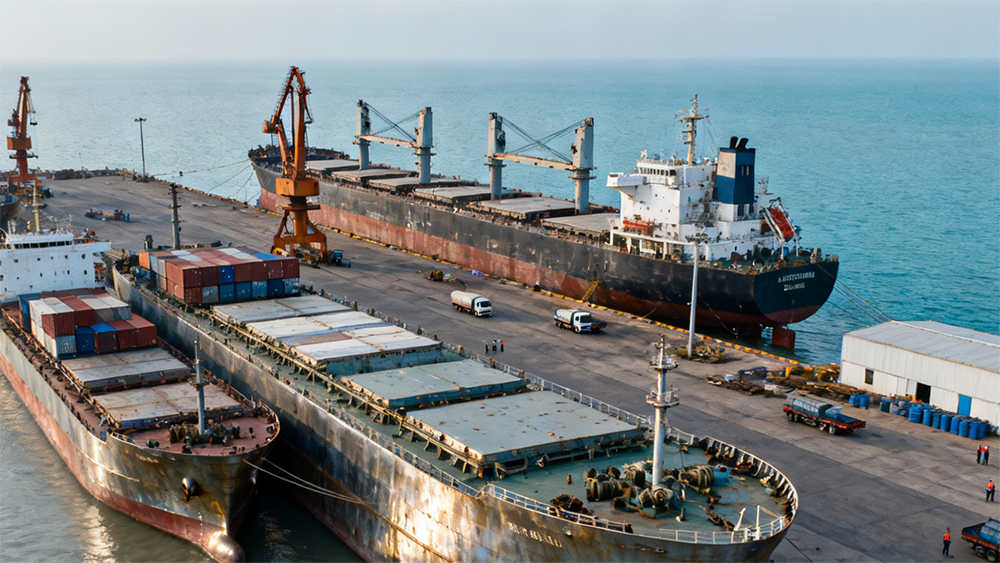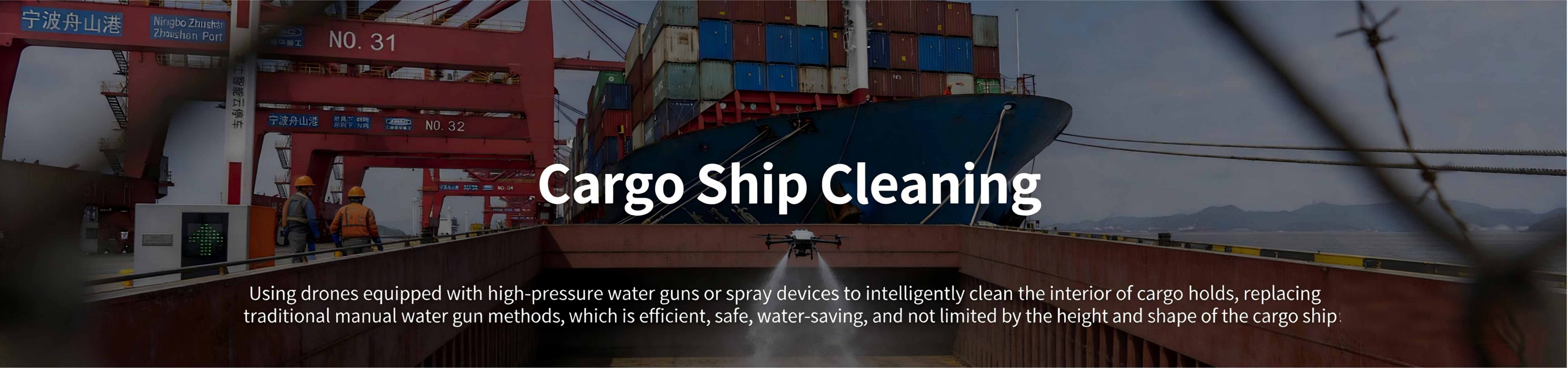

Heavy-duty UAVs (e.g., EHM-2600) equipped with HD multispectral cameras and LiDAR complete 3D hull modeling and dirt distribution mapping in advance. Deep learning algorithms improve recognition accuracy to 95%, plan optimal paths for underwater robots, and reduce rework rate by 35%. Real-time underwater footage is transmitted during operation, with simultaneous monitoring of hull coating integrity.
✅ Rapid deployment, 24-hour operation, cleaning blind spots inaccessible to manual work.
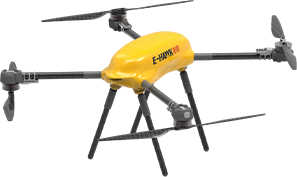
Power Type: Battery-powered
Unfolded Dimensions (mm): 2659 × 2659 × 730
Folded Dimensions (mm): 982 × 692 × 447
Wheelbase: 2000mm
Maximum Take-off Weight: 85kg
Maximum Payload: 40kg
Maximum Flight Speed: 20m/s
Wind Resistance Rating: Class 6
Endurance: 60min (no load) / 25min (40kg load)
Maximum Operating Altitude: 4000m
Maximum Communication Distance: 20km
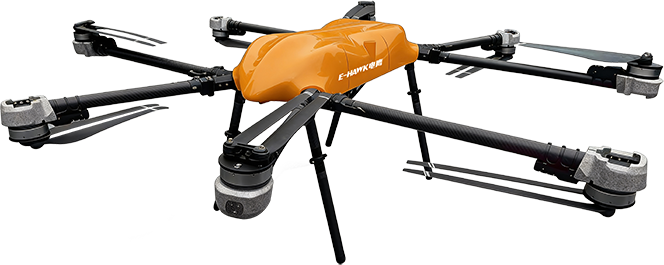
Power Type: Electric
Unfolded Dimensions (mm): 3650 × 3650 × 895
Folded Dimensions (mm): 1470 × 1020 × 520
Wheelbase: 2600 mm
Maximum Take-off Weight: 176 kg
Maximum Payload: 98 kg
Maximum Flight Speed: 20 m/s
Wind Resistance Level: Grade 6
Endurance Time: 60 min (no load), 25 min (70 kg payload)
Maximum Operating Altitude: 4000 m
Maximum Communication Range: 20 km
More >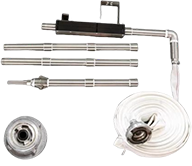
Working pressure: 0.8–2.5MPa adjustable,
compatible with various water supply equipment
Jet range: Horizontal effective range ≥20 meters
Water flow: 15–40L/min gear adjustable,
meeting different fire fighting / flushing requirements
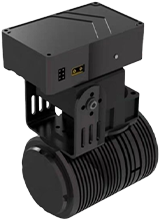
The UAV lighting module features high brightness, long endurance, stable compatibility and safe practicality, meeting the needs of nighttime operations in various scenarios.
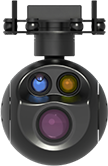
Camera payload with three-axis stabilized gimbal
30× visible light resolution: 1920×1080
Maximum zoom focal length: 47mm
Infrared thermal imaging resolution: 640×512
Focal length: 18mm
1.On site, confirm vessel structure, stains and cleaning area. Plan flight path and avoid sensitive parts.
2.Choose cleaning tools according to stains, mount on drone, adjust water pressure and solution ratio.
3.Drone cleans along preset route, sprays solution and adjusts attitude to avoid blind spots.
4.Rinse with clean water, inspect effect, re-clean if needed. Return drone and check equipment.

WeChat Scan
CopyRight © 版权所有: 电鹰科技集团有限公司
备案号:鄂ICP备17008821号-1
 鄂公网安备 42018502002982号
技术支持:武汉丰网信息技术有限公司
鄂公网安备 42018502002982号
技术支持:武汉丰网信息技术有限公司