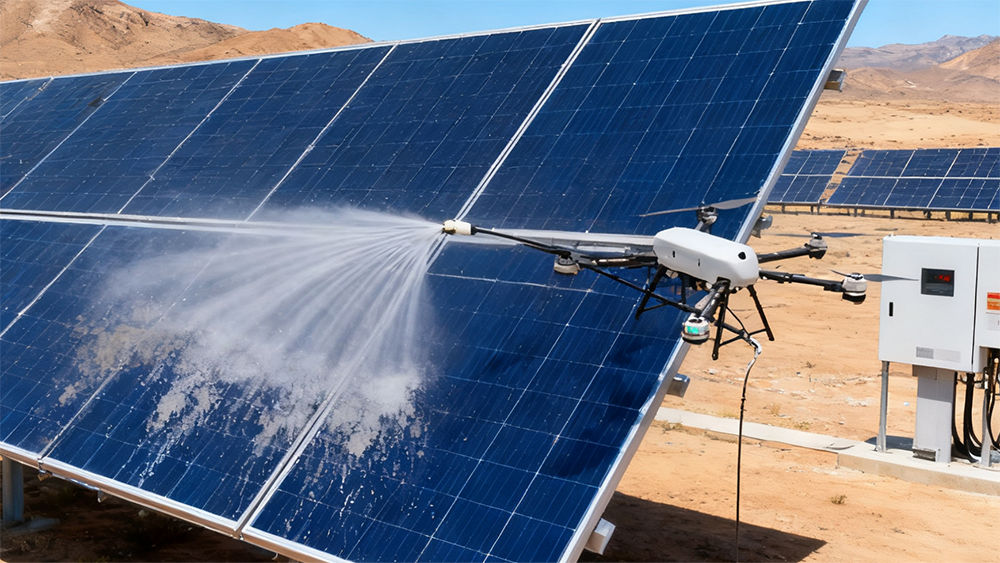
It uses a lightweight multi-rotor UAV (payload 40 kg) equipped with adjustable high-pressure atomizing nozzles (water pressure 0.3–0.8 MPa to avoid panel scratches), an AI visual recognition module (identifying PV panel boundaries, stain distribution, and damaged areas), and Beidou + visual dual positioning (positioning accuracy ±5 cm, suitable for large-scale PV power stations). It supports single-UAV operation or multi-UAV collaboration.
✅ Rapid deployment, 24-hour operation, cleaning blind spots inaccessible to manual work.
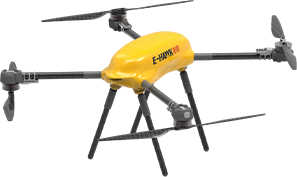
Power Type: Battery-powered
Unfolded Dimensions (mm): 2659 × 2659 × 730
Folded Dimensions (mm): 982 × 692 × 447
Wheelbase: 2000mm
Maximum Take-off Weight: 85kg
Maximum Payload: 40kg
Maximum Flight Speed: 20m/s
Wind Resistance Rating: Class 6
Endurance: 60min (no load) / 25min (40kg load)
Maximum Operating Altitude: 4000m
Maximum Communication Distance: 20km
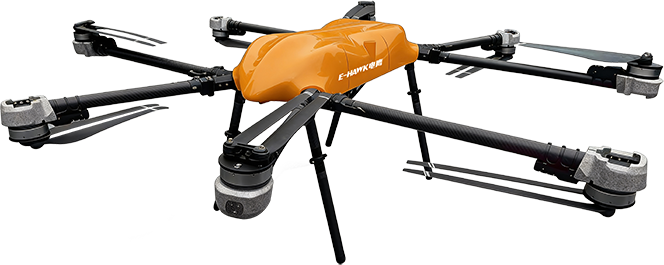
Power Type: Electric
Unfolded Dimensions (mm): 3650 × 3650 × 895
Folded Dimensions (mm): 1470 × 1020 × 520
Wheelbase: 2600 mm
Maximum Take-off Weight: 176 kg
Maximum Payload: 98 kg
Maximum Flight Speed: 20 m/s
Wind Resistance Level: Grade 6
Endurance Time: 60 min (no load), 25 min (70 kg payload)
Maximum Operating Altitude: 4000 m
Maximum Communication Range: 20 km
More >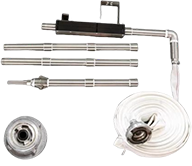
Working pressure: 0.8–2.5MPa adjustable, compatible with various water supply equipment
Jet range: Horizontal effective range ≥20 meters
Water flow: 15–40L/min gear adjustable, meeting different fire fighting / flushing requirements
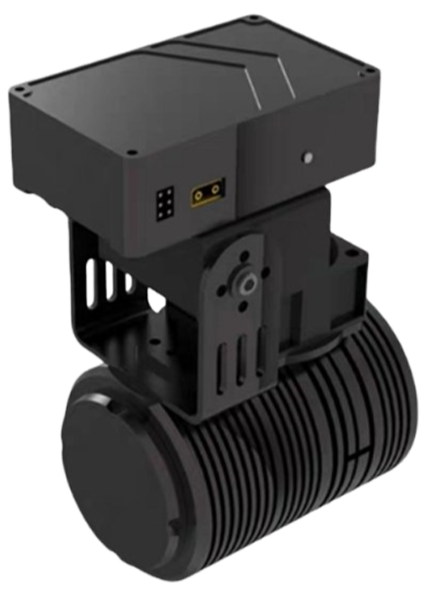
The UAV lighting module prioritizes high brightness, long endurance, stable compatibility and safe practicality, meeting the needs of nighttime operations in various scenarios.
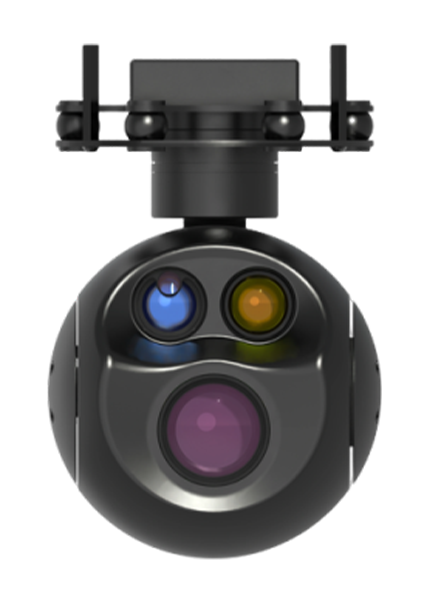
The camera payload is equipped with a three-axis stabilized gimbal.
30× visible light resolution: 1920×1080
Maximum zoom focal length: 47mm
Infrared thermal imaging resolution: 640×512
Focal length: 18mm
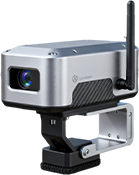
Weight: ≤800g
Detection range: 0.5-150m
Point cloud density: ≥200 points/㎡
Data transmission: 4G/5G+WiFi dual mode
Vertical field of view: -30°~+30°
1.Confirm the photovoltaic station area, panel layout and pollution level. Plan a full-coverage flight route and inspect the drone’s cleaning, water supply, positioning and obstacle avoidance functions.
2.Adjust water pressure, flow and cleaning solution based on dust. Connect water supply or use onboard tank to avoid damaging panels.
3.The drone flies low along the preset path, sprays cleaning fluid, and uses roller brushes or high-pressure spray to clean without dead angles.
4.Inspect cleanliness on the return flight, re-clean missed areas. After completion, recover equipment and record operation data.

WeChat Scan
CopyRight © 版权所有: 电鹰科技集团有限公司
备案号:鄂ICP备17008821号-1
 鄂公网安备 42018502002982号
技术支持:武汉丰网信息技术有限公司
鄂公网安备 42018502002982号
技术支持:武汉丰网信息技术有限公司